
November 15, 2019 | Tokyo, Japan | Interview by Dawson Baiden
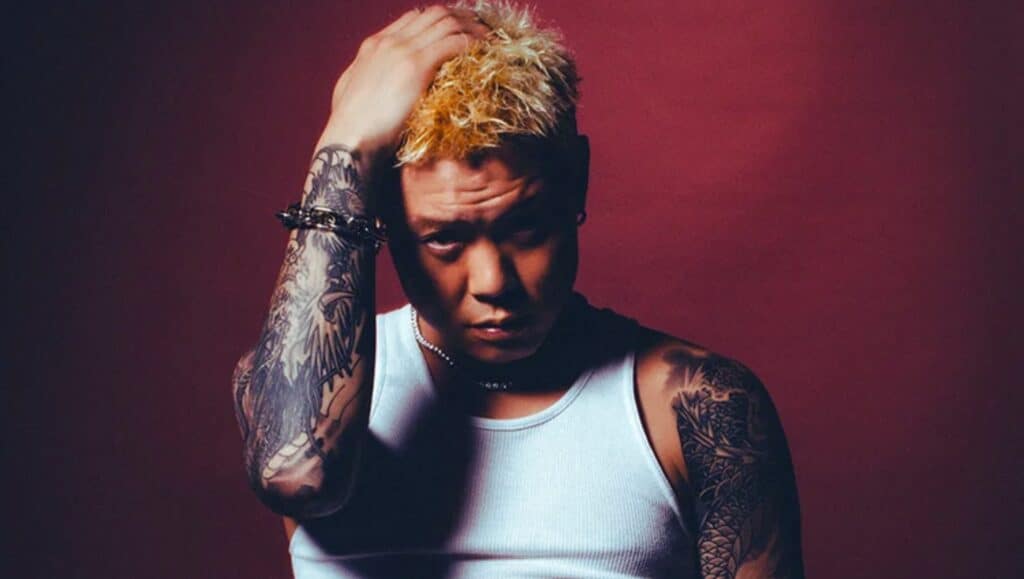
Daichi Yamamoto raps, sings, produces, designs clothes, and works at the Jazzy Sport shop in Kyoto. His debut album Andless came out on the label in 2019 — bilingual, unhurried, and hard to place. From the very first drop of his music and visuals, he swiftly established himself as one of the defining voices of Japan’s hip-hop revival generation, earning recognition from music lovers and industry insiders alike. On September 4th, 2019, he released his debut album Andless on Jazzy Sport — a label long synonymous with jazz-infused quality and forward-thinking sound. The record sees Yamamoto effortlessly draw some of the scene’s most sought-after collaborators, including Peavis, STUTS, and JJJ, into his own creative universe, shaping their contributions into something that feels entirely, unmistakably his own.
It was in the immediate aftermath of Andless that our correspondent Dawson Baiden — a longtime devotee of the Jazzy Sport sound — found himself in Kyoto during a stay in Japan. Inside the familiar walls of the Jazzy Sport store, a meeting that felt equal parts chance and destiny unfolded between two people with nothing to prove and everything to share. What followed was a conversation as quiet and rich as a slow-dripped coffee — warm, deliberate, and full of depth.
Who are you, and what do you do?
Daichi Yamamoto: My name is Daichi Yamamoto, and I’m from Kyoto, Japan. I rap and occasionally produce beats.
What got you into rap in the first place?
Daichi Yamamoto: Thank you. It started as something purely recreational — I was recording songs for fun while I was at university. I wasn’t confident enough in my own work to judge its quality, so I began reaching out directly to artists I admired via DMs. Through one of those connections, the A&R at Jazzy Sport discovered me on SoundCloud and offered me the opportunity to make an album. It happened quite organically.
Andless moves between Japanese and English, singing and rapping, across a range of instrumentals. How did you put it together?
Daichi Yamamoto: Honestly, my process is a bit chaotic — there’s no fixed method. I try all sorts of different approaches within a single song. Some tracks take a very long time to come together; others are finished in a day. What remained constant throughout, though, was the album’s core concept: I wanted to strip everything back, to be as honest and bare as possible. My goal was to channel the pain of our generation through my own personal experiences. It’s a deeply intimate body of work, but I believe many people will find something in it they can relate to.
VaVa, JJJ, Kid Fresino, Aru-2, Grooveman Spot — how did you pull together those features and productions for Andless?
Daichi Yamamoto: Most of them trace back to those early DMs I was sending out. Others came through mutual friends or acquaintances — that’s how I connected with Aru-2, VaVa, and Kid Fresino. The hip-hop world can be surprisingly small when you approach it with genuine enthusiasm.
You work at the Jazzy Sport store in Kyoto and released the album on the label. How did that connection start?
Daichi Yamamoto: I’ve known about Jazzy Sport since high school, so when I received an email from their A&R team, I genuinely couldn’t believe it. As for whether I contribute anything meaningful to the label, I honestly couldn’t say! (laughs)
What are you listening to? What shaped how you make music?
Daichi Yamamoto: Jazz, house, J-pop, reggae, and a great deal of neo-soul. Beyond music, books and films are a major source of inspiration for my lyrics.
Are you deliberately trying to sound different from everyone else, or does it just come out that way?
Daichi Yamamoto: Not really. I try not to measure myself against others — I think that kind of comparison can be limiting. I’d rather stay focused on what feels true to me.
Kyoto’s rap scene doesn’t get much coverage. What’s actually going on there?
Daichi Yamamoto: It’s intimate and refreshingly non-commercial. A lot of artists there are simply doing what they love and standing by it. There isn’t much of a business-driven mindset — people are just creating because they believe in it.
You’ve been doing a lot of live shows as part of the album’s promotional cycle. How has that experience been, and what kind of reception has Andless received?
Daichi Yamamoto: The response has been far better than I anticipated — I really didn’t see it coming. It means a tremendous amount to me, because I don’t have a great deal of self-confidence. Performing live is exciting but still nerve-wracking. I always half-expect no one to show up. So when I look out into the crowd and see people singing along to my lyrics, it genuinely catches me off guard — in the best possible way.
Is Daichi Yamamoto your artist name, or your real name?
Daichi Yamamoto: It’s my real name.
What does your day look like when you’re not making music?
Daichi Yamamoto: A good coffee in the morning, bouldering on my days off, a shift at Jazzy Sport Kyoto, then a film and some reading in the evening. That’s pretty much my routine.
What are five tracks you’ve been listening to lately?
- 2020 — Kojey Radical
- DHL — Frank Ocean
- It’s Nice to Be Alive — Vegyn
- Family and Loyalty — Gang Starr
- You Ain’t the Problem — Michael Kiwanuka
You lived abroad, you’re fluent in English, you’re on Jazzy Sport. Are you going after an international audience?
Daichi Yamamoto: Hopefully. I’d really love the opportunity to collaborate with artists from outside Japan.
Finally, what’s next for you?
Daichi Yamamoto: Ideas are always in motion. I just hope I can shape them into something real. Thank you so much for your time, Daichi. It was a genuine pleasure. Do you have a last word for listeners discovering you in France? Arigato — stay tuned!
HARKA & Gam Ball drop new single “MVP”
KEIJU
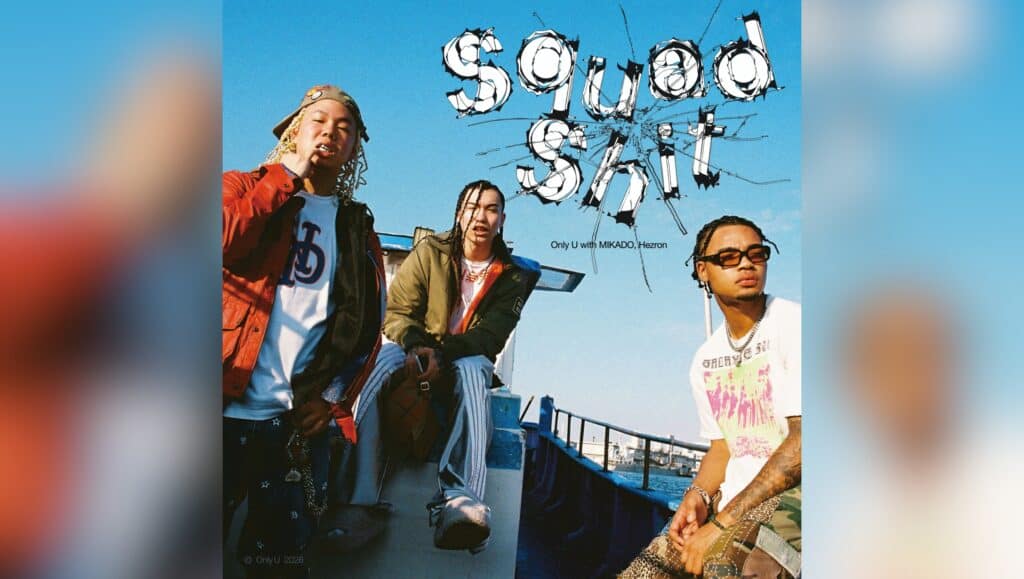
Only U, MIKADO & Hezron release “Squad shit”
Andre & NAOtheLAIZA Release One-Take EP Genesis
3Li¥en