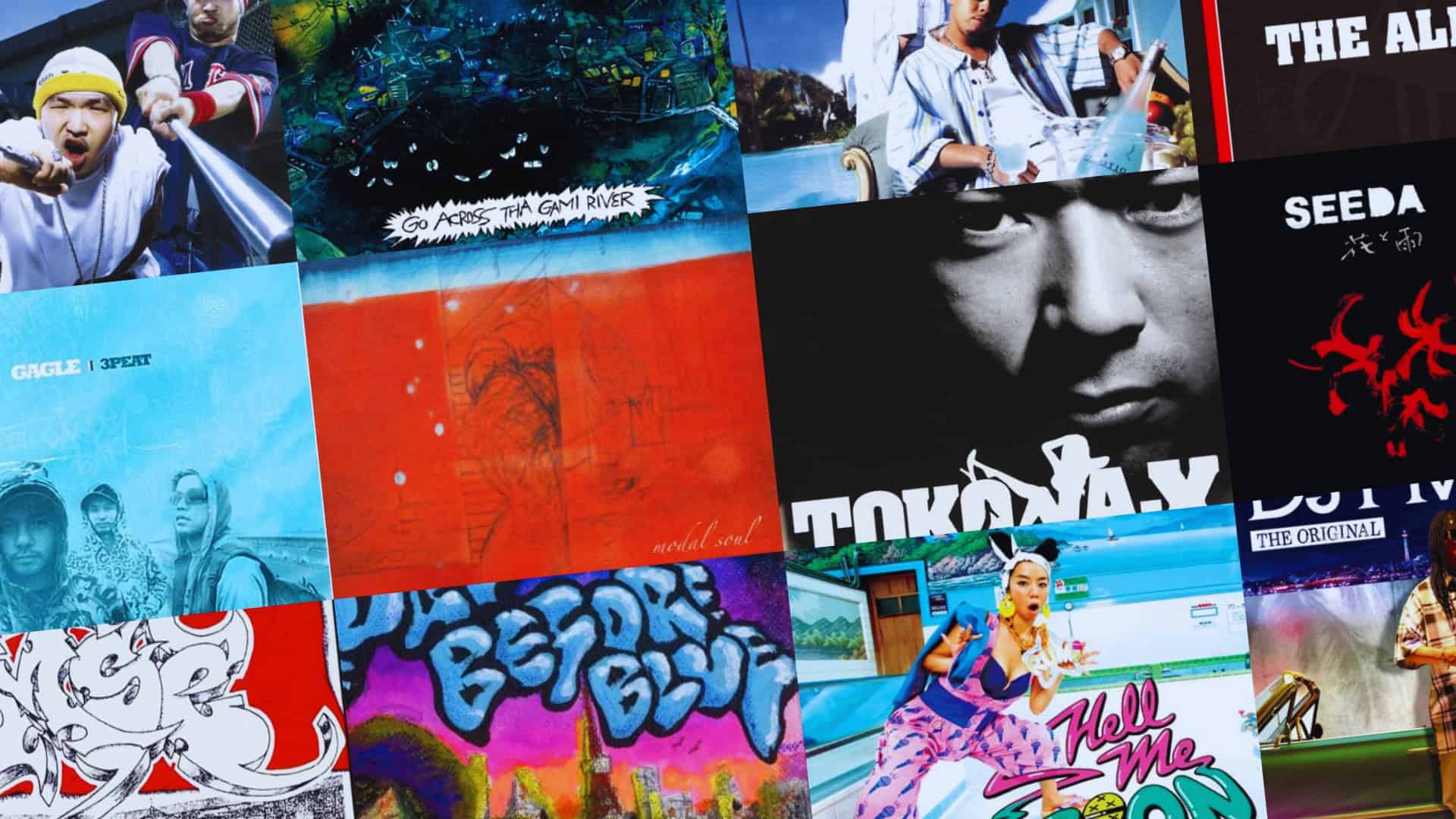
In 1997, I was in middle school. I’d already spent a couple of years playing one compilation on repeat, the one that pulled me into Japanese rap. That anthology gathered tracks from artists like Scha Dara Parr (SDP), ECD, Soul Scream, m-flo, Rhymester, names I had never heard of at the time. I’d lived through the golden age of hip-hop in the mid-90s, and I followed American and French rap closely, both of which were already established references by then. But I kept waiting for hip-hop sounds from Japan to show up. Back then, finding any information about that culture was close to impossible. The internet was still in its infancy, social media didn’t exist yet, and a handful of CDs were my only way into discovering foreign artists. J-Rap stayed a distant, mysterious territory.
Then came the turning point, in July 2004, during a simple visit to the Virgin Megastore on the Champs-Élysées (closed since 2014) . A store employee gave me a valuable lead: for Japanese rap, try the Virgin stores in London, they sometimes carried import CDs, and I might find something there. A few weeks later, I was walking the streets of London and managed to dig up several Japanese rap albums. With that supply line established, I could explore the catalogs of new artists and groups: DS455, Seeda, DJ Isso, Norikiyo, Steady&Co, MSC, and plenty of other names still unknown in the West.
To me, these albums opened up a world of discovery, one where the rivalry between rappers from Kawasaki, Yokohama, Nagoya, and Osaka ran at full intensity. Back then, dropping a project that outshone the competition wasn’t optional; it was how you avoided fading into obscurity. The 2000s generation inherited the groundwork laid by pioneers from the two previous decades, who had drawn heavily on African American production to root the movement in Japan. Production quality, technical skill, and stylistic range all grew fast during this period. Several rap collectives spread hip-hop across the archipelago, and thanks to the internet, some tracks eventually crossed the island’s borders and reached the ears of a few connected heads like me. Seeing the commercial potential, some labels started investing more in these emerging artists.
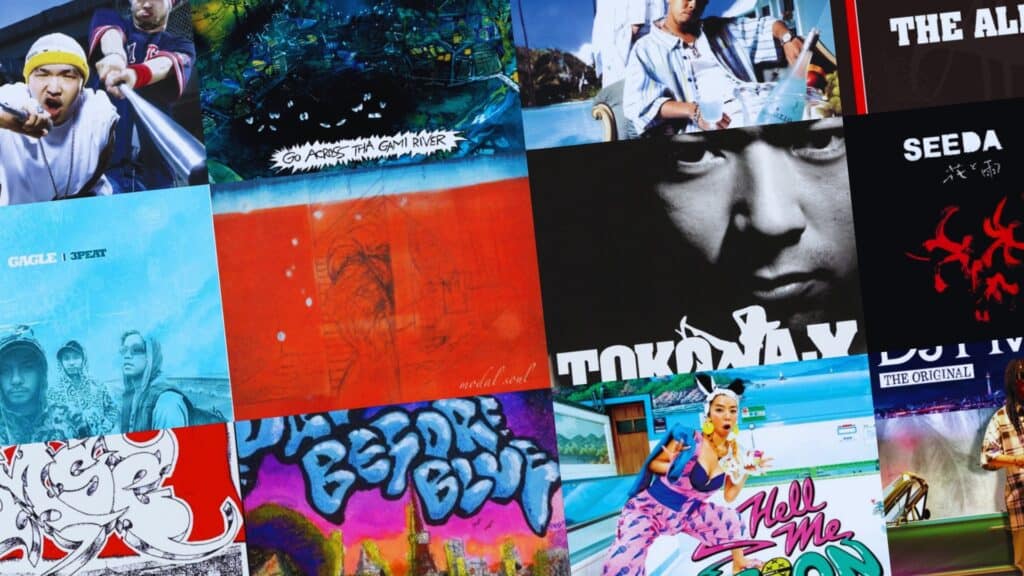
So I want to introduce you, or reintroduce you, to a selection of ten projects that shaped the musical landscape of the 2000s. I can’t cover every important album, so you’ll find a second list of other standout records from the period at the end. Choosing the first album took a while. I went back and forth between several records: “Planet Shining” by m-flo, the self-titled album by NITRO MICROPHONE UNDERGROUND, and “Chambers” by Steady&Co, released in 2001. Why the hesitation? All three, to me, are foundational bridges between the established 90s generation and the emerging wave of artists inspired by events like the Sanpin CAMP (1997), the B-BOY PARK shows, and various rap-focused radio programs. “Planet Shining” keeps a rap core thanks to Verbal, but Taku pushes the production toward house, R&B, and drum’n’bass, with singer Lisa’s voice carrying it. As for NITRO MICROPHONE UNDERGROUND, despite its Def Jam reissue in 2000, the project stays firmly rooted in the 90s. I went with Steady&Co.
CHAMBERS, Steady&Co. (2001)
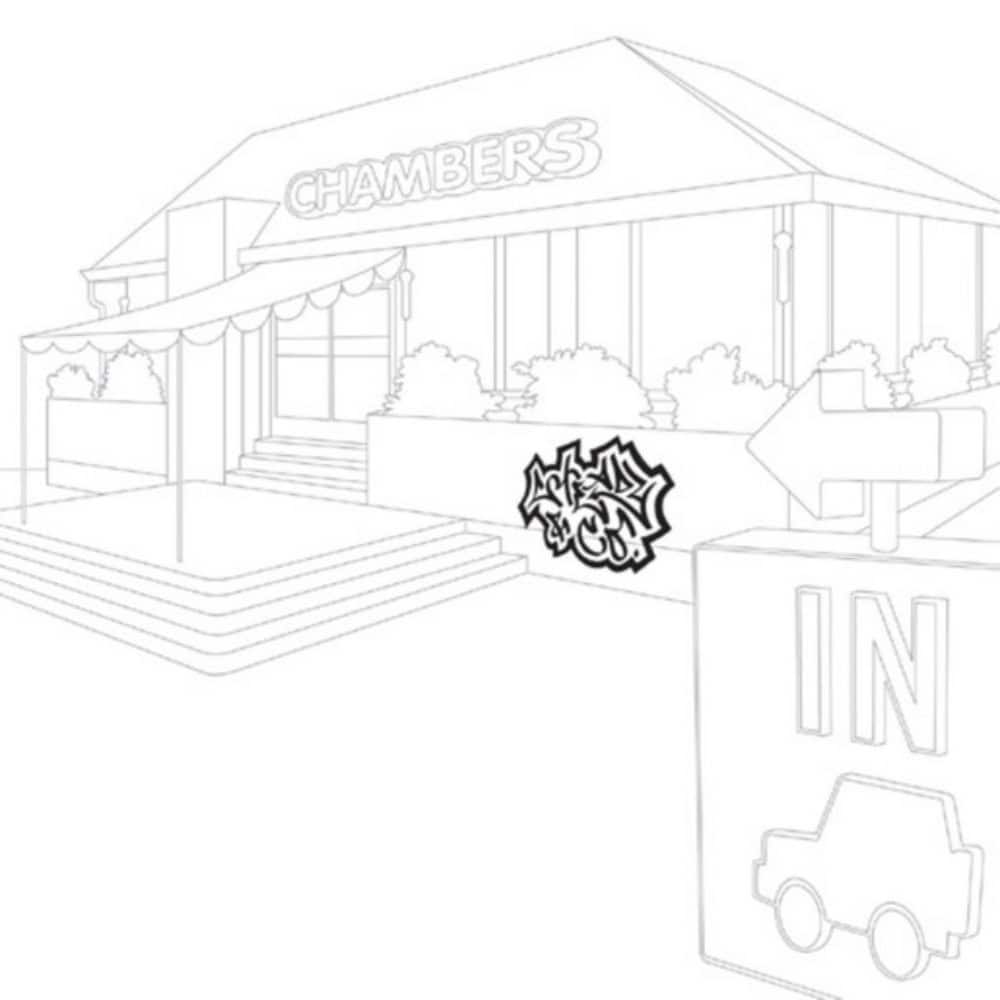
It only makes sense to open this list with Steady&Co’s “CHAMBERS” (2001). Long underrated, the album was praised by major figures on the Japanese scene: Bots, Ilmari, Dragon Ash, Shigeo, SBK, and Rip Slyme. This collaboration remains the group’s only release, a lineup made up of Kj and BOTS (Dragon Ash), ILMARI (Rip Slyme), and SHIGEO (Skebo King). Among the album’s fifteen tracks, several have aged into classics. “Shunkashūtō” (the four seasons) has racked up millions of views on YouTube over the years. The track carries lyrics that have held up well, especially this line: “there’s no rain that never stops“, a metaphor that offers hope in the face of life’s temporary hardships. With “Shunkashūtō“, Steady&Co delivered one of the great classics of Japanese hip-hop, a song whose message about life and the passage of time still resonates across generations, which is why it’s remained popular decades after its release.
“Only Holy Story” shines through its own sensitivity, something different: a rap-R&B track that grabs the listener through its hook, carried by Azumi’s voice (wyolica). The song leans softer and more sentimental, capturing the mood of a lonely winter, the kind that brings back old love. The line “we said we’d stay together forever, but those days are gone” nails the ache of relationships that fade over time. “CHAMBERS” peaked at number 2 on the Oricon chart, a strong result for a one-off project. There was never a second album.
matador, MSC (2003)
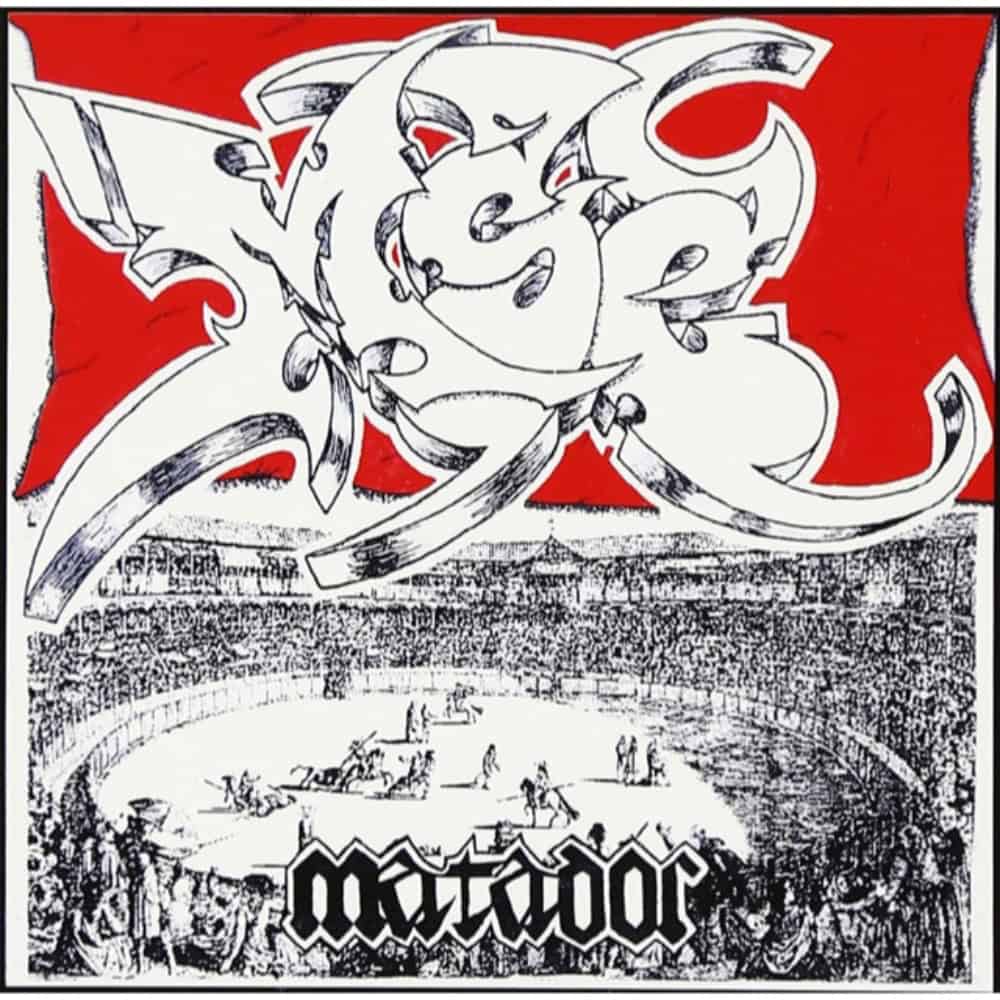
Nobody would have guessed that Kabukicho, in Shinjuku on Tokyo’s west side, a nightlife hub with a reputation as a lawless red-light district, would give rise to one of Tokyo’s most important underground rap groups. In the early 2000s, MSC was made up of two crews: MIC SPACE, with MC Kan and Ta-Boo, and SIDE RIDE, with O², Primal, and G-Prince. Producers Hardtakle33 and Hardtakle66 were also part of it, along with DJ O-KI and DJ Kohaku. The group first went by MS CRU (エム・エス・クルー) before switching to MSC after the release of their debut album on February 25, 2003.
The album tells the dark side of the city and the illegal state of the world around it. The stripped-down production puts the rawness of the lyrics front and center. When it came out, young people didn’t have much room to dream: the end of Japan’s economic miracle, a consequence of the speculative bubble that burst in 1997 and dragged on for more than a decade, weighed on them. MSC rapped about reality instead of impossible illusions, and that’s exactly what places them in their moment. In the years after the album’s release, they became a major presence on the scene, a leading underground group. MSC laid bare the brutal, hopeless reality of young people living in Shinjuku, poverty and violence included. That social, engaged approach earned them recognition beyond hip-hop fans. Still, the project received mixed critical reception at the time; many fans still prefer Primal and MC Kan’s respective solo work, which they consider stronger.
Tokai X Teio, Tokona-X (2004)
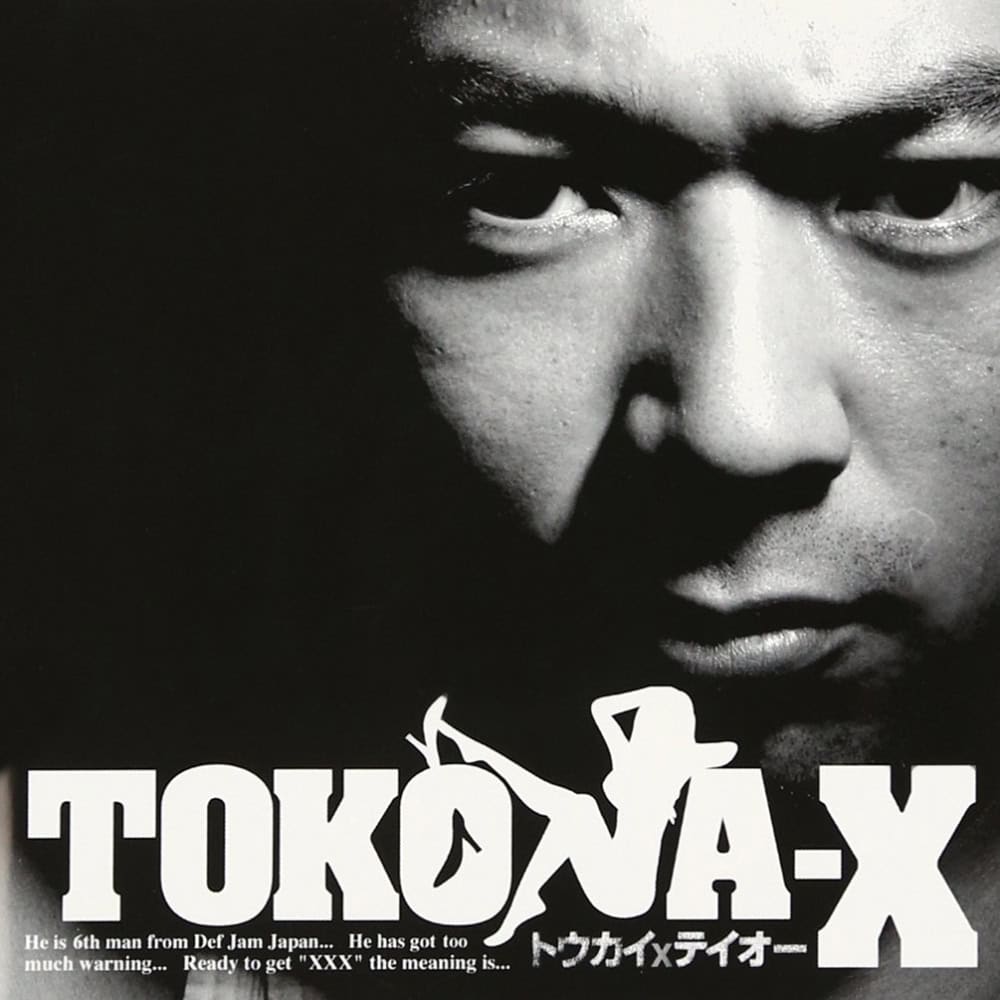
Ryuichi Furukawa, known as TOKONA-X, remains a landmark figure in Japanese hip-hop, one whose influence still lives on in his fans’ memories. Originally from Yokohama, he later settled in Tokoname City, his father’s hometown. TOKONA-X stands out in particular for pushing the Nagoya dialect to the front of the national rap scene, a real achievement in a scene often dominated by Tokyo accents. As a teenager, he worked part-time in a record store, a job that fed his passion for hip-hop, Japanese and American alike.
His first significant public appearance dates back to the Sanpin CAMP in 1997, a major Japanese hip-hop event organized by pioneer ECD. He performed there under the name ILLMARIACHI, alongside collaborator Kenji Kawijari. He later joined Master of Skillz, which would become M.O.S.A.D. in 2002, alongside Equal, Akira, and D.J. Fixer. In 2003, he signed with Def Jam Japan, the label’s newly established Tokyo branch. On January 14, 2004, he released his debut single, “Let Me Know and Tell You SHOW“, followed fourteen days later by his debut album, “Tokai X Teio“, which introduced him to a wider audience.
Some of the album’s ten tracks clearly draw on West Coast hip-hop, but it’s TOKONA-X’s talent that carries the record. His flow, sitting right at the border between rap and melody, holds up even on features, like “Let Me Know Ya” alongside Kalassy Nikoff (now known as AK-69). The album’s high point remains “Where’s My Hood At?“, built around a sample of Michael McDonald’s “I Keep Forgettin’,” the same sample immortalized on Warren G’s “Regulate.”
Summer Sweetz, DS455 (2004)
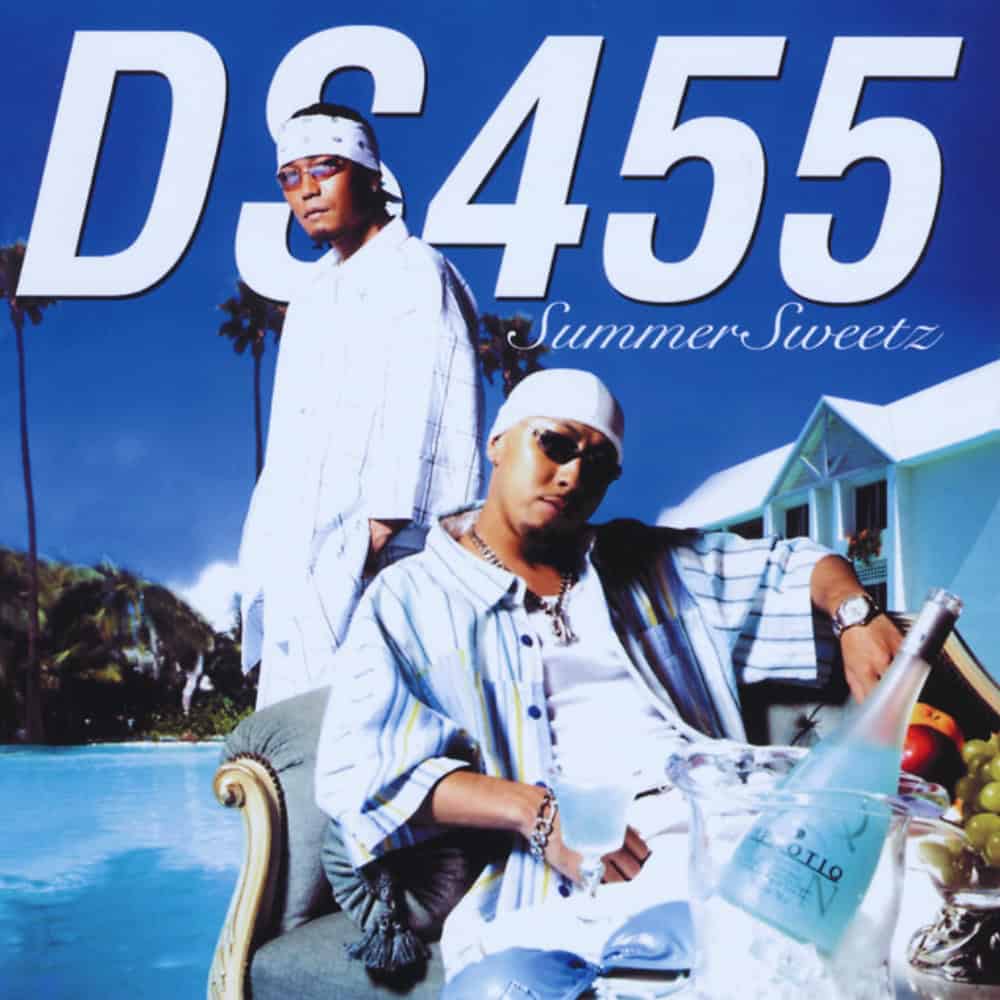
If Tokyo built its hip-hop identity drinking from New York’s old school, Yokohama carved out its own path by embracing the sunny sounds of 90s California G-Funk. That geographic and stylistic split shaped two distinct schools within Japanese hip-hop, with Yokohama becoming the country’s West Coast epicenter. As the millennium turned, with G-Funk having already conquered the US nearly a decade earlier, DS455 established itself as the sound’s pioneer in Japan: deep basslines, languid synths, a hedonistic atmosphere.
Formed in 1989 in Yokohama, DS455 is now a duo composed of Kayzabro on the mic and DJ PMX on production. The group briefly included Shalla and MC MACCHO early on, before they each went their own way (MACCHO would go on to form OZROSAURUS with DJ TOMO). From the start, DS455 gravitated toward West Coast sounds, and that pull went beyond simple imitation: the duo built real connections with figures from American G-Funk, working with Foesum, Daz Dillinger, DJ Quik and Warren G, a genuine bridge between Yokohama and Los Angeles.
“Summer Sweetz,” dropped in July 2004, the duo’s second album, cemented Yokohama, DJ PMX, and Kayzabro as reference points for Japanese G-Funk. The album pairs DJ PMX’s polished production with Kayzabro’s signature flow. Tracks like “Ride In Peace feat. II-J, Iz“, “Summer Sweetz CIGAR & LIQUOR” and “Talkin’ At Deep Blue” (feat. MACCHO) sum up their vision well. As the title suggests, the record paints a summer scene, bright sun, endless beaches, lowered Cadillacs, capturing the West Coast aesthetic while filtering it through a clearly Japanese sensibility. Alongside DS455, DJ PMX launched a prolific solo career starting in 2002, with the “Locohama Cruising” mixtapes and the “THE ORIGINAL” compilation series. The duo kept working together until the mid-2010s, before splitting in 2014.
CONCRETE GREEN, DJ Isso & SEEDA (2006)

The CONCRETE GREEN compilation series, born of the partnership between rapper SEEDA (a member of the SCARS collective) and DJ ISSO, became a defining hub for the rise of Japanese underground rap, from its launch in 2006. The initiative worked like a real laboratory, giving an entire generation of rappers a shot they might not have gotten otherwise. The project ran on solid chemistry between its two founders: SEEDA, already active within SCARS and gifted at spotting raw talent, handled artistic direction and scouting the underground scene, while DJ ISSO brought his technical skill and sonic taste to the mix. Together, they built a series that left a mark on Japanese hip-hop over the course of three years. CONCRETE GREEN stood out as the first compilation to systematically showcase talent from the Kantō region, with a particular focus on Kawasaki and Sagami. That regional grounding brought specific local dynamics into view and gave a platform to artists often pushed to the margins of the mainstream Japanese music industry.
The first volume, released in 2006, served as a launchpad for rappers now well-known: Norikiyo (a central figure in SD JUNKSTA), ISH-ONE, Bron-K, L-Vokal, and others from various crews, alongside SEEDA and DJ Isso themselves. The first compilation runs twenty-nine tracks. DJ ISSO’s artistic direction proves bold here, drawing beats from various strands of American rap while also folding in influences from French rap, an unusual move for Japan at the time, one that helped widen the sonic horizon for local artists.
Modal Soul, Nujabes (2005)
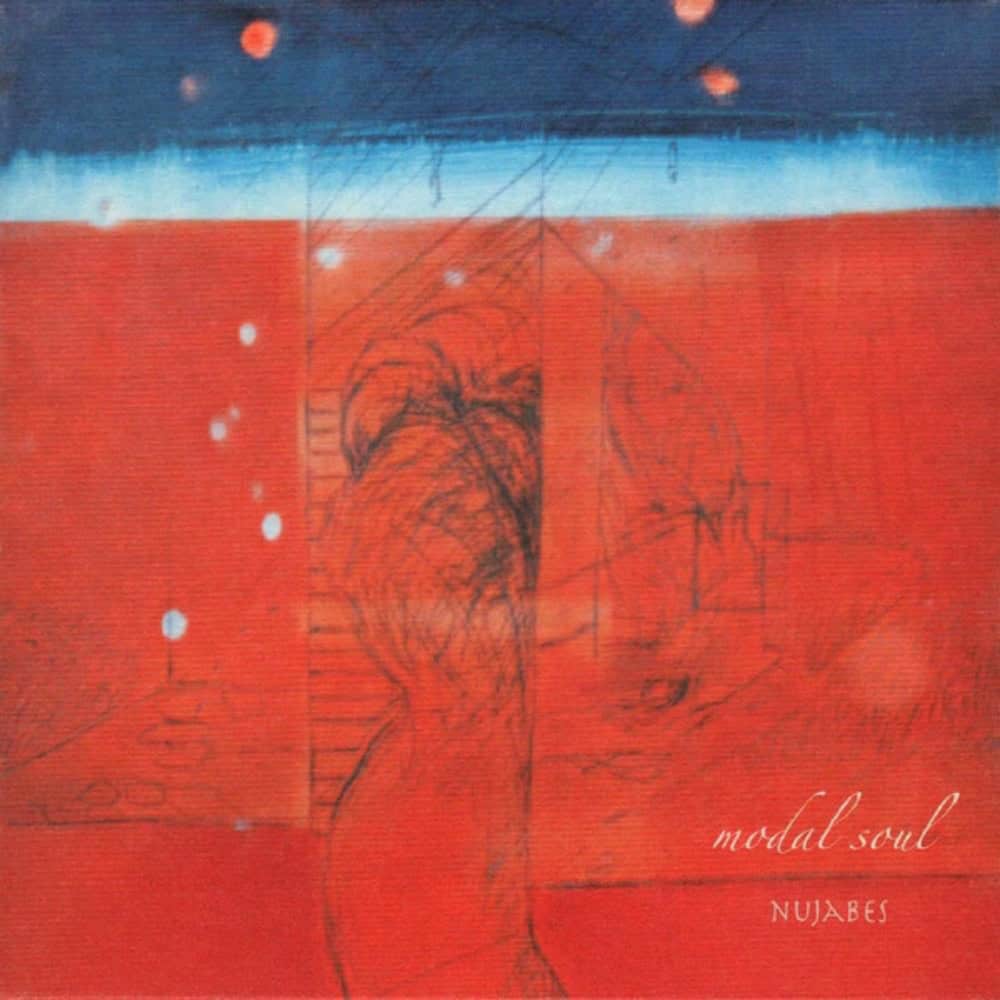
Jun Seba, known as Nujabes, remains the reference point for Japanese production reaching an international audience. His key contribution to the soundtrack of “Samurai Champloo“, an anime that fuses feudal Japan’s austerity with contemporary elements and hip-hop culture, made his work well-known beyond Japan. Sampling virtuoso, nu-jazz figure, chill hip-hop pioneer: those labels fully clicked into place with the release of “Modal Soul” on November 11, 2005. His take on hip-hop, layered with jazz inflections and airy atmospheres, gave him an artistic identity that belonged to no one else.
The tracks on “Modal Soul” build around hip-hop loops carried by piano flourishes that grab a listener’s attention and emotion fast. You can feel it from the first bars, on “Feather“, a collaboration with Cise Starr and Akin from the American underground collective CYNE, whose flow moves easily over Nujabes’s carefully woven instrumental. “Luv(sic) pt3“, with Shing02, extends a run of collaborations between the two artists, built on a precise instrumental and an introspective text.
On February 26, 2010, Nujabes died in a car accident on Tokyo’s Shuto Expressway. He had turned 36 just days before. His death set off a wave of tributes that reached well beyond Japan, a mark of how much his work meant to generations of listeners and creators. “Modal Soul” stands as his last album released in his lifetime, and one of the most cited records among the generation of producers who followed in his footsteps, all the way to today’s lo-fi hip-hop, which owes much of its roots to him. His approach redefined the boundaries of instrumental hip-hop and continues to shape the work of newer generations of artists.
THE ALBUM, SCARS (2006)

SCARS emerged from the Kawasaki neighborhoods in the early 2000s. The collective, whose roots trace back to the late 1990s under the drive of BIG AKI THUG (A-THUG) and his childhood friends, quickly positioned itself at the center of the rap culture. The group truly took shape in 2003, bringing together complementary talents around a shared vision: putting the raw reality of Kawasaki’s streets into their music. The lineup brought together rappers SEEDA, BES, STICKY, MANNY, Hayashi Taka (also known as GANGSTA TAKA), BAY4K, and A-THUG as its central figures, rounded out by producers I-DeA and SAC. [Lineup and formation date to confirm on your end, I wasn’t able to cross-check this against independent sources.]
What sets SCARS apart is that fusion of street authenticity and artistic ambition. Unlike a lot of their contemporaries, SCARS members didn’t just narrate a fantasized version of street life; they lived it. That side of the group showed up in controversial ways at times, with several members facing legal trouble and arrests, which, oddly enough, only reinforced the group’s aura of authenticity. 2006 marked a turning point: a notable appearance on I-DeA’s “Da FRONT and BACK” in January, followed by contributions to the “CONCRETE GREEN” mixtape series put together by DJ ISSO and SEEDA. That momentum peaked in September 2006 with the release of the group’s debut, simply titled THE ALBUM, produced entirely by I-DeA, BACHLOGIC, hiko and Sac.
THE ALBUM, thirteen tracks, takes a hard look at Kawasaki’s social realities, turning street experience into urban poetry. The track「日付変更線」(Hizuke Henkōsen), with Sticky, BES and SEEDA, sits at the narrative core, laying bare Kawasaki’s social underbelly with precision. STICKY drops the listener straight into the underground economy, describing the risks of dealing and the rise that illicit money can buy, no filter: “In my neighborhood, that’s normal“, then owns the hard law of the street: “You gain something, you lose something“. SEEDA delivers a sharper political critique, calling out rich kids who benefit from the system without ever knowing hardship: “rich kids who don’t know poverty casually climb Babylon’s ladder and lose themselves in pleasure.” That biblical image of Babylon, standing in for corrupt power, sharpens the edge of his critique. He then sums up, bluntly, the dead end facing those left behind: “if you’ve got no money, you die in the street or in prison“. BES, for his part, rounds out the picture with a look at the psychology of everyday survival, a reminder that danger is never far: “even having fun, I don’t want to slip up stupidly.” Still, he chooses rap over losing himself to easy money: “I chase money day to day, but I choose this mic.”
Despite the success of “THE ALBUM” and the collective’s growing name, SCARS members gradually leaned toward solo projects over group work. The group still released two more releases: “NEXT EPISODE” in 2008 and a self-titled EP in 2010.
EXIT, Norikiyo (2007)
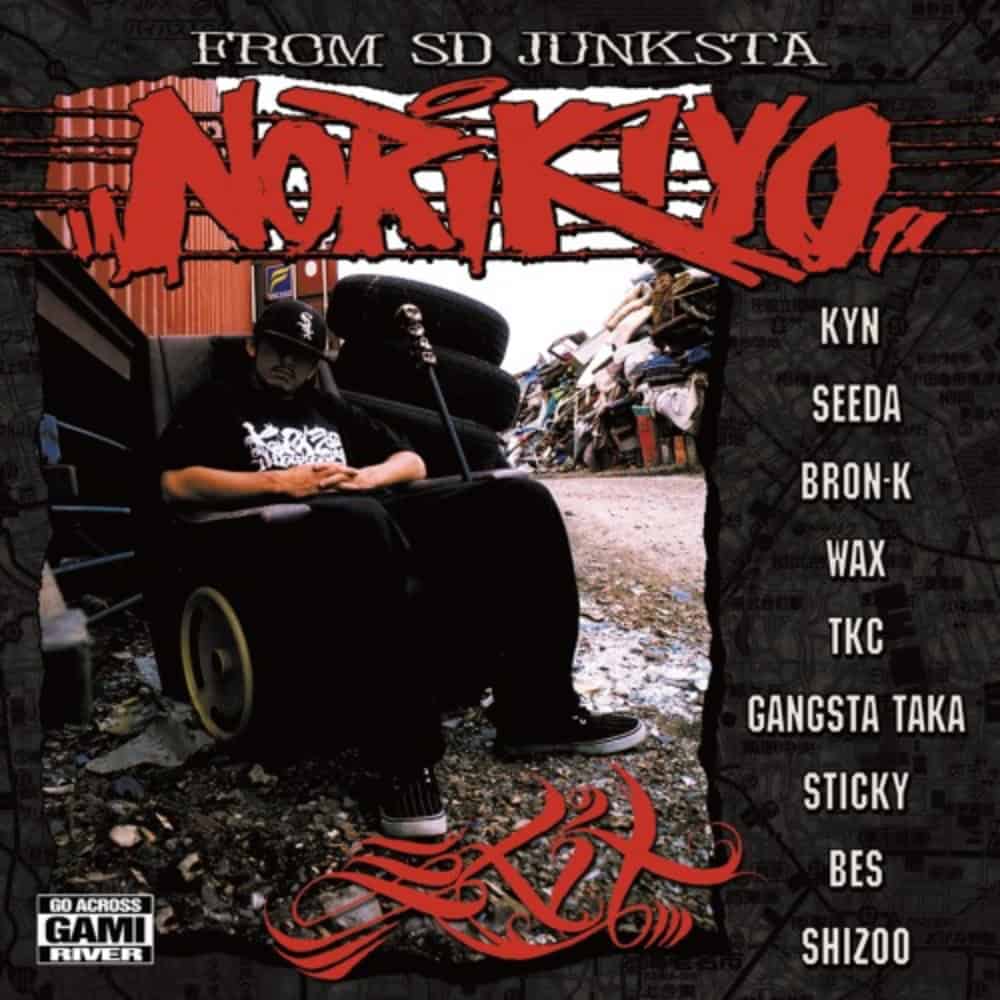
2007 marked the arrival of an artist whose authenticity and lyrical skill quickly grabbed attention. Norikiyo, a leading figure in the SD JUNKSTA collective, embodies the Sagamihara school, a hub of urban talent in Kanagawa Prefecture. That region produced some of the country’s most notable figures in graffiti and hip-hop dance. Starting in 2006, Norikiyo’s career took a decisive turn with his contribution to SEEDA and DJ Isso’s pioneering compilation, “CONCRETE GREEN”. That collaboration, alongside artists like Geek, L-Vokal, BES, SEEDA, and Q-ILL, gave him quick standing within the Japanese rap scene. Riding that recognition, he set to work on his debut, “EXIT”, bringing in producers like Bachlogic and I-DeA while also developing his own production skills under the name K-NERO.
Among the album’s tracks, a few stand out: “Bullshit” and its social critique, “In Da Hood” for its unflinching portrait of urban life, and “Do My Thing“, which stakes out Norikiyo’s artistic individuality. But “2 FACE“, produced by I-DeA, remains the most beloved track on the record. It digs into marginalization and social rejection with a depth that struck listeners hard. Norikiyo dissects his own experience of being pushed out of the system, describing how he was shoved to the fringes of Japanese society. His delivery carries a sense of worthlessness, as if his fate had been sealed outside the accepted norms. Part of “2 FACE”‘s strength comes from its confrontational streak: Norikiyo goes straight at figures of authority, questions their legitimacy, exposes their double standards, and throws their own contradictions right back at them.
Norikiyo has released more than a dozen albums since, a catalog that reflects steady artistic growth and has shaped generations of listeners. In 2023, he was sentenced to three years in prison for cultivation and possession of cannabis, with the trafficking charge dropped by prosecutors for lack of evidence. He finished serving his sentence in 2026 and has resumed releasing music since then, an activity that hasn’t dimmed his considerable impact on Japanese hip-hop.
3PEAT, GAGLE (2007)
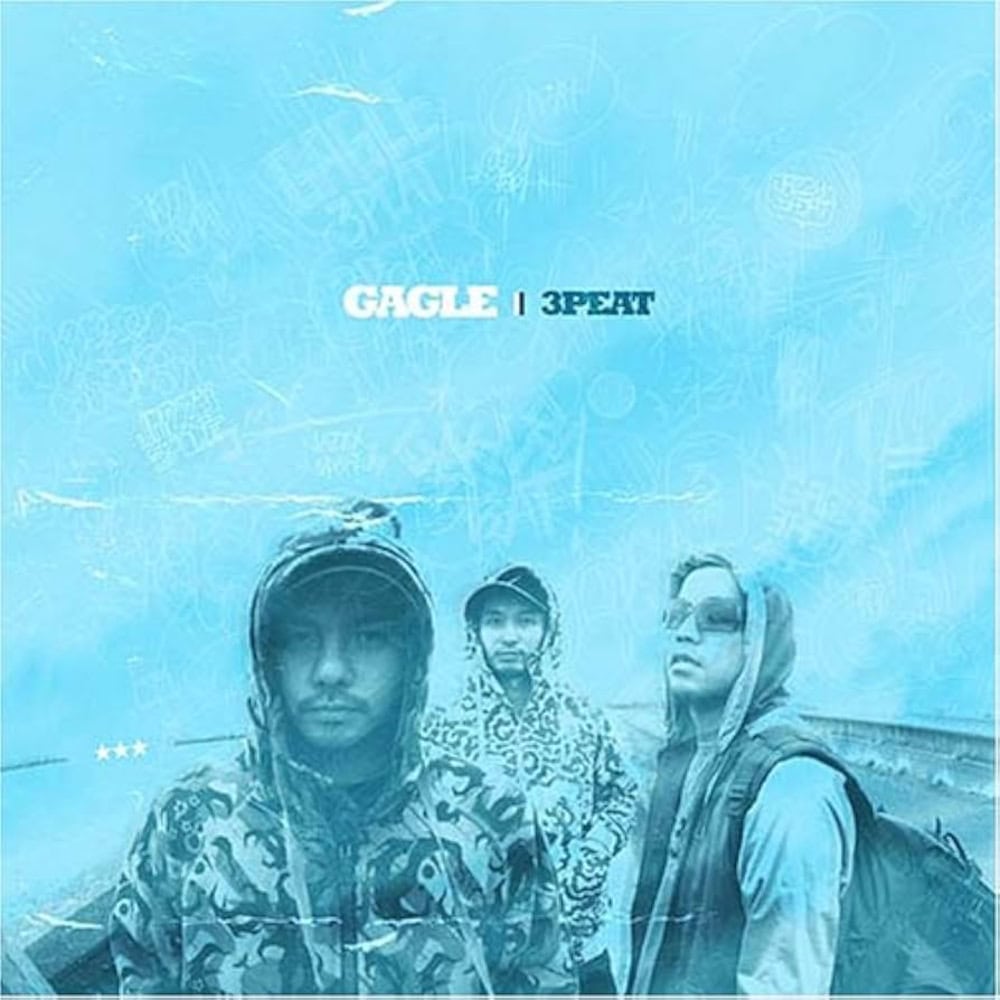
That same year, another album from the group GAGLE made waves out of Sendai. Choosing between “BIG BANG THEORY” (2005) and “3PEAT” (2007) isn’t easy, since both records show off the group’s talent. After some thought, “3PEAT” stands out as the pivotal work of the Sendai trio, made up of Hunger, DJ Mitsu The Beats, and DJ Mu-R. Released on June 27, 2007, through Columbia Music Entertainment, “3PEAT” marks a turning point in GAGLE’s catalog: the group returns after three well-received albums, with a more mature artistic direction.
From the first bars, the sound world built by DJ Mitsu The Beats takes over: jazzy beats, soul textures, and precise boom-bap rhythms. He produces the bulk of the album’s sixteen tracks solo, setting a mood that’s both introspective and driven. Tracks like “Yoru na Yoru Na” (夜ナ夜ナ), “Hi-DJ!“, and “Wakaki Takumi-tachi e” (若き匠たちへ) show off that signature touch well, where groove meets rare musical polish. DJ Mu-R, a longtime collaborator, raises the bar with sharp scratches and mixing precision that borders on craftsmanship. Grooveman Spot, Super Smoky Soul, and Budamunky also contribute, adding varied touches to the record’s sound. On the mic, Hunger proves once again why he’s one of the country’s most respected lyricists, with a sharp, poetic pen that handles a wide range of themes well. He’s joined by guests like COMA-CHI, Mummy-D (Rhymester), and Miyake Yohei (三宅洋平), also known as Inushiki and DOGGY STYLE, who add their voices to the record.
HELL ME NATION, RUMI (2009)
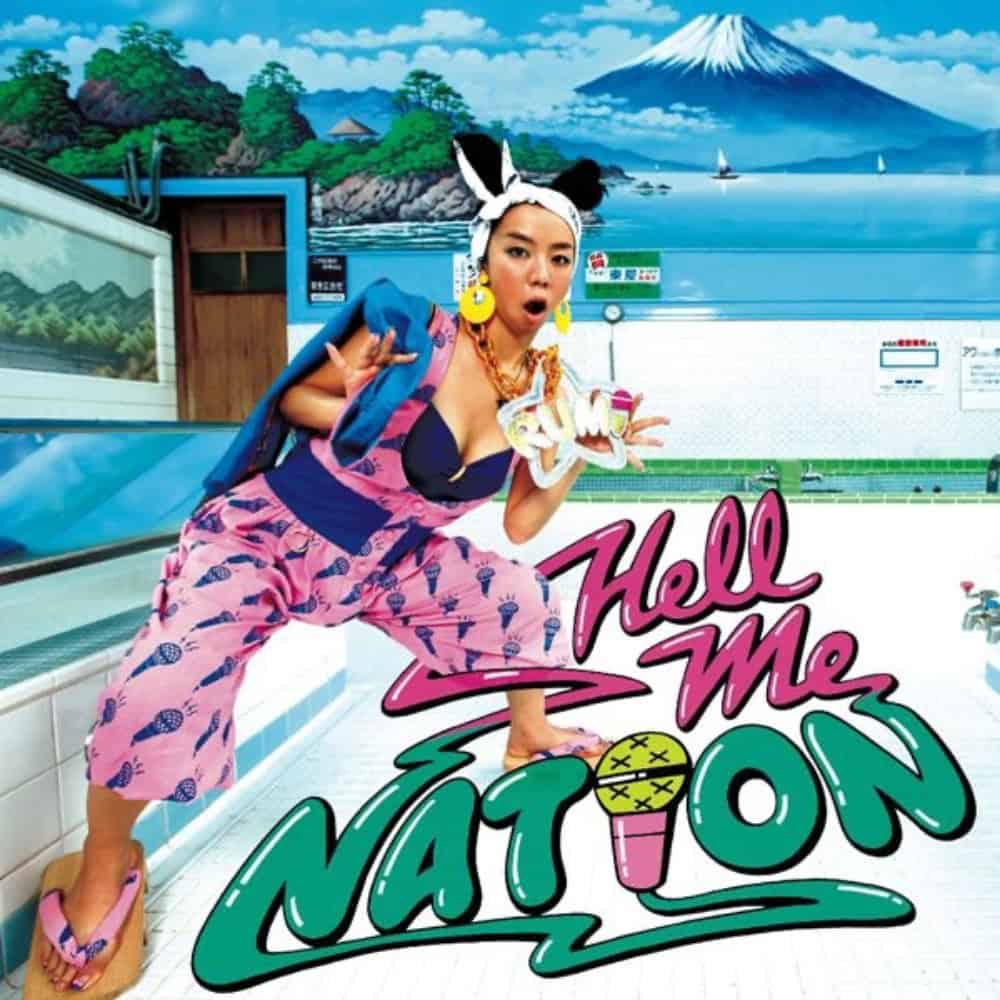
We close this run through albums that shaped 2000s Japanese hip-hop with RUMI’s work. You’ve probably already heard a RUMI track without knowing it. A key figure in Japanese female rap, she built her reputation through a trilogy: “HELL ME TIGHT” in 2004, “HELL ME WHY?” in 2007, and “HELL ME NATION” in 2009, the one that ended up leaving the deepest mark and cemented her place in Japanese hip-hop.
RUMI cut her teeth freestyling as early as 1996, on the radio show TOKYO FM HIP HOP NIGHT FLIGHT, alongside rapper Han’nya. Her career really took shape when she joined DJ Baku and the circle of artists around the MSC collective, around 2002, stepping into one of the most creative circles of the time. What stands out on “HELL ME NATION” is the range of collaborations with well-known beatmakers. Evisbeats produced the standout track “A.K.Y.,” bringing his organic touch. DJ Duct’s production and scratches on “Hip Hop’s Guidance” show off a solid command of Japanese-style boom bap, while DJ Whitesmith’s three contributions add another layer to the album’s sound. The track “Hajimari wa namida” (はじまりは涙), featuring B.I.G JOE, stands as one of her most memorable, her sharp voice playing off his deeper one.
As on her two earlier albums, RUMI handles her voice with ease and plays her flow well against whatever rhythmic complexity her producers throw at her. “Jūkō no mukō” (銃口の向こう), a boom bap track produced by DJ Perro (also known as Dogg), made enough noise across the archipelago to confirm that side of her talent. The force of her lyrics, paired with raw production, makes it one of the record’s most striking tracks. After “HELL ME NATION,” RUMI didn’t release another album for several years. Deeply affected by the earthquake and nuclear disaster of March 2011, she got involved in supporting victims. That same year, she performed at the Sonic club in Iwaki (Fukushima Prefecture) and donated all proceeds to survivors, a commitment that went well beyond music.

22 Japanese Rappers to Know in 2026
Best Japanese Hip Hop Albums of 2026 – Vol. 2
Hip-Hop and Anime: Where Japanese Culture Meets Rap
10 Best Japanese Rap Albums of the 2000s
Best Japanese Hip Hop Albums of 2026 – Vol. 1