April 2, 2026 | Tokyo, Japan | by ATTANGO
Japanese hip hop history starts in the 1980s, with about six people and almost no audience. Ito Seiko, Hiroshi Fujiwara, Toshio Nakanishi and DJ Yutaka carried the music back from New York one record at a time, and the MAJOR FORCE label gave it somewhere to land. Nobody in Japan was listening yet. Clubs in Tokyo and Osaka ran on pop-rock, disco and traditional music while the Bronx was inventing something else. What those few people started in that decade is what the 1990s built on.
Hiroshi Fujiwara, Toshio Nakanishi, and DJ Yutaka: The Founding Trio
It starts in New York, in the spring of 1982. Toshio Nakanishi was there recording an album with producer Moichi Kuwahara when he went to see Afrika Bambaataa play that May. He went home with an idea. Within months he had the Rock Steady Crew in a video shot in the Bronx for his group Melon, which makes it one of the first documented meetings between a Japanese artist and American hip-hop.
Hiroshi Fujiwara landed in New York around the same time, travelling with Malcolm McLaren, the British producer and manager he had met in London a few months earlier. A friend took him to the Roxy Theatre, where hip-hop’s first generation played most weeks. He kept going back. Every trip between Tokyo and New York, he came home with more American vinyl: Run-D.M.C., Beastie Boys, LL Cool J, Grandmaster Flash. Then he started DJing in Tokyo clubs, where most of the room had never watched anyone scratch a record. Fashion sat alongside the music in his head from the start, and that combination shaped the rest of his career.
https://www.youtube.com/watch?v=5yrh7UgsOjwDJ Yutaka took a different route. He had worked the disco scene since 1978 and had a name in Shinjuku by the time he reached the Sound System events in New York in 1982. He met Afrika Bambaataa there and joined the Zulu Nation, the organisation Bambaataa founded in New York in 1973. No other Japanese person has ever been a member, which gave Yutaka a standing in the global scene that nobody at home could match.
He hosted the whole Wild Style crew when the film’s tour reached Japan in 1983. Fourteen years later he and Crazy-A founded B-BOY PARK, which grew into the biggest annual hip-hop event in the country. In 2000 he set up UNITED NATIONS, the Japanese branch of the Zulu Nation. He worked as a DJ, a producer and a go-between for two scenes that had no other bridge.
The Wild Style Tour: Hip-Hop Lands in Tokyo
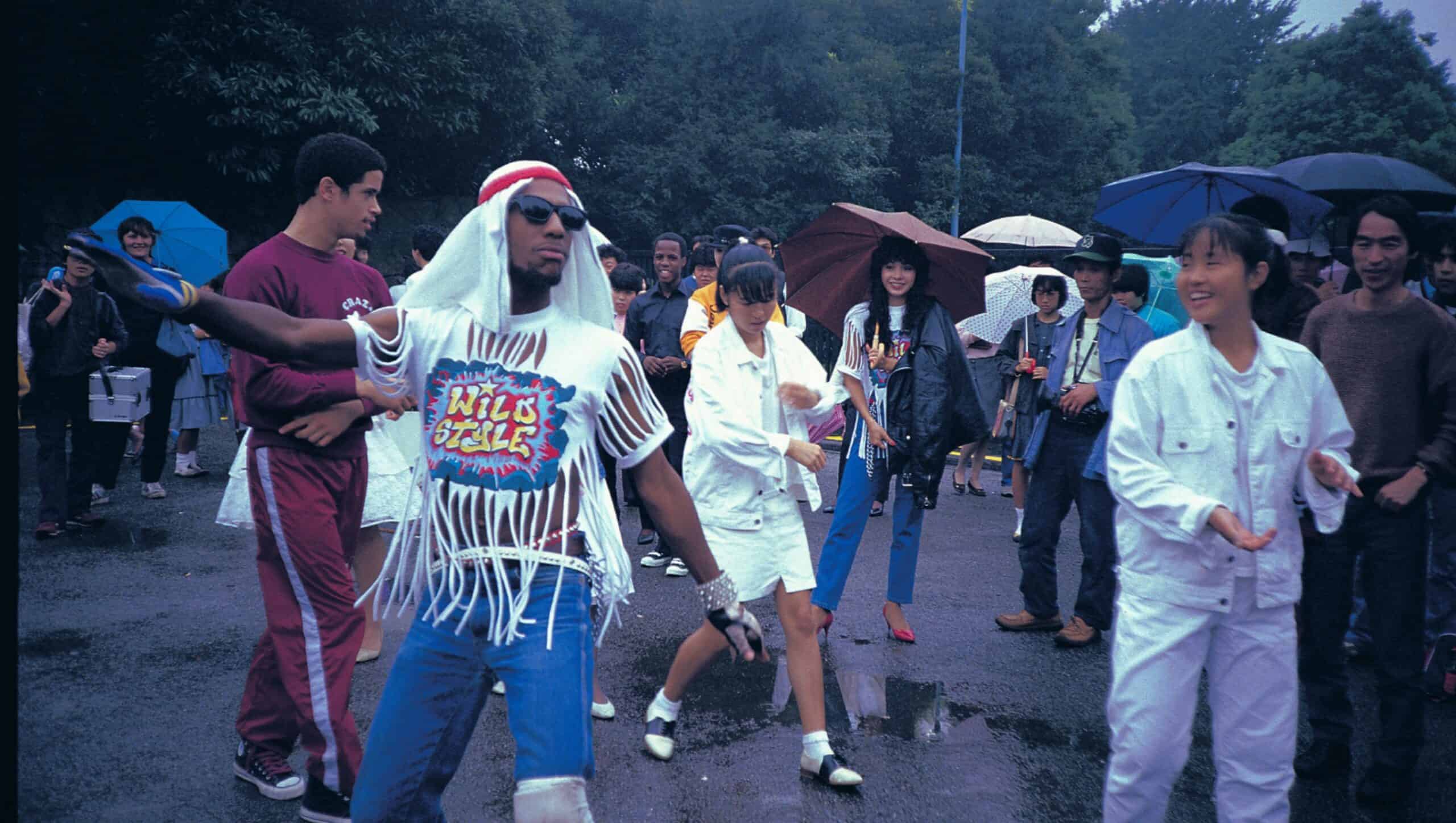
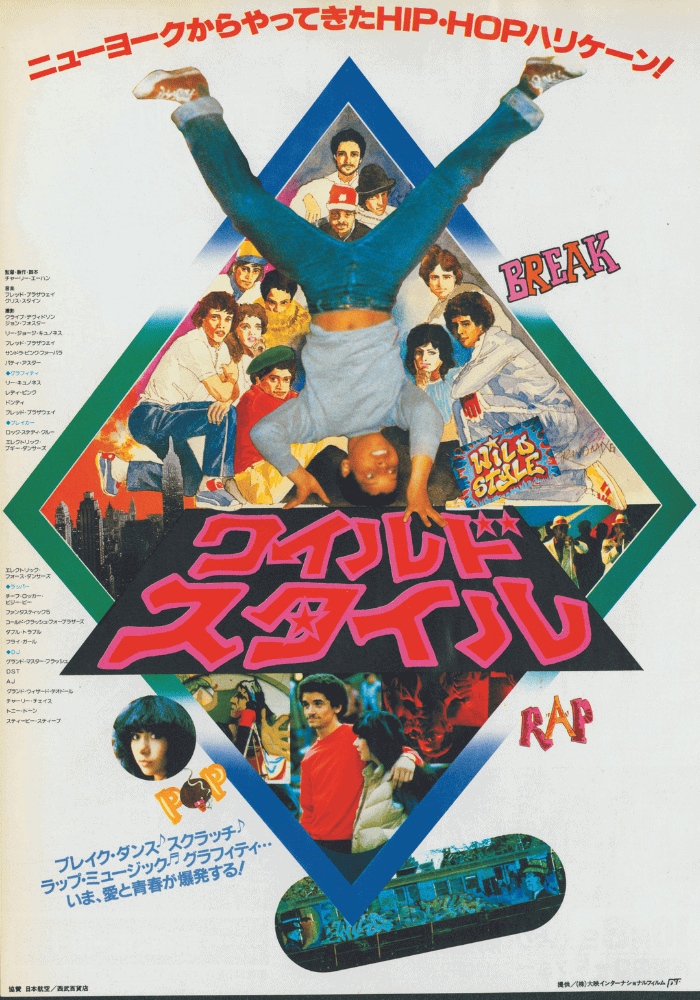 Wild Style, the American film about how hip-hop began, opened in Shinjuku to a nearly empty theatre. One of the few people sitting in it was a 21-year-old named Hideaki Ishi, who later called himself DJ Krush. That same year, director Charlie Ahearn brought the Wild Style Tour to Tokyo with about thirty cast and crew: the Rock Steady Crew, Cold Crush Brothers, Grandmaster Flash and the Fantastic Freaks. They played several Tokyo stages, went on Japanese television, and spent an afternoon in Yoyogi Park.
Most of the young people who turned up had never seen any of this in person. Within weeks three breakdance crews were working the streets of Harajuku: B-5 Crew, Mystic Movers and Tokyo B-Boys. That is how fast it travelled, from one tour in 1983 to a scene on the pavement.
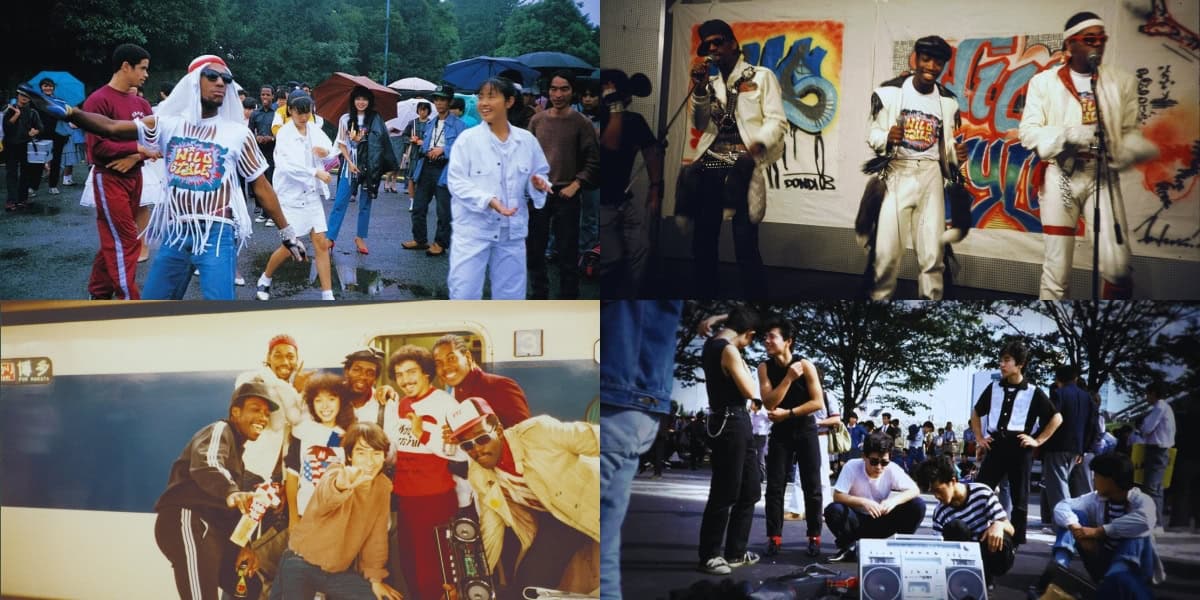
Wild Style Tour Japan 1983
Run-D.M.C. at NHK City Hall: Lighting the Fuse
Three years later the pace picked up again. Run-D.M.C., which is to say Joseph Simmons, Darryl McDaniels and Jason Mizell, played NHK City Hall in Tokyo in 1986. The group had already outgrown the United States by then, and the Tokyo show mattered for what it signalled. Promoters started treating rap as a booking worth making, and Japanese artists could point at a full hall the next time a label told them the music had no audience here.
Ito Seiko: Japan’s First Rapper
The first half of the decade ran on imports. The second half belonged to the people who started making the music themselves, and Ito Seiko got there first. Born Seiko Ito in Tokyo on 19 March 1961, he is the rapper every account of Japanese hip hop history names as the country’s first. Labels at the time treated rap as a foreign curiosity that would not survive contact with the Japanese language. He disagreed, finished university, and became an MC.
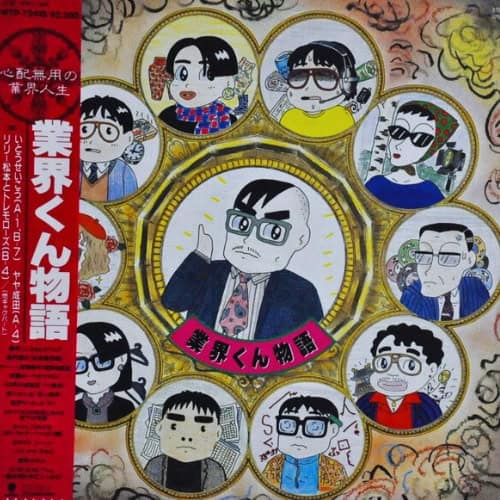
Ito Seiko, Sangyokun monogatari
Sangyokun Monogatari (業界くん物語) came out in 1985, and it works because he stopped copying. Rather than forcing Japanese into American cadences, he rebuilt the writing around the way the language actually falls. That decision handed everyone who followed a model to argue with. You The Rock, Scha Dara Parr, Kohei Japan and Utamaru all name him.
Major Force: The Label That Built Japanese Rap
Major Force label
MAJOR FORCE opened in 1988, the first label set up to release Japanese rap. The work behind it had been running for two years. From 1986, Haruo Chikida was putting out tracks as President BPM: Mass Communication Break Down, Nasty Beats and I Luv Got The Groove. He was working out how rap in Japanese should sound, and people mention his name alongside Ito Seiko’s for good reason.
Chikida Haruo, Kan Takagi, Toshio Nakanishi, Kudo Masayuki, Gota Yashiki and Hiroshi Fujiwara met, and came out of that meeting with a label launched under Sony. They moved fast. The first releases included Last Orgy by Tiny Panx, Life Is a Science and Yes, We Can by the female group The Orchids, plus Copy ’88 and Love & Peace by Tycoon To$h with Terminator Troops. The label also ran a talent contest, “DJ UNDERGROUND CONTEXT No. 1“, won by Krush Posse, the trio of DJ Krush, Muro and DJ Go. The group people remembered afterwards was Scha Dara Parr. Ani, Bose and Shinco wrote like three people who had stopped asking permission, and what came out did not sound like New York. Japanese rap had found its footing, and the next decade would prove it.
22 Japanese Rappers to Know in 2026
Best Japanese Hip Hop Albums of 2026 – Vol. 2
Hip-Hop and Anime: Where Japanese Culture Meets Rap
10 Best Japanese Rap Albums of the 2000s
Best Japanese Hip Hop Albums of 2026 – Vol. 1